This unit deals with two of the hardest concepts in accounting — depreciation and amortization. Even just saying these terms can be hard for non-native speakers!
Now Studying: Depreciation and Amortization
Welcome to the demo. To save your progress and start earning certificates, please create a free account or log in.
Core Training Activities
Free Demo
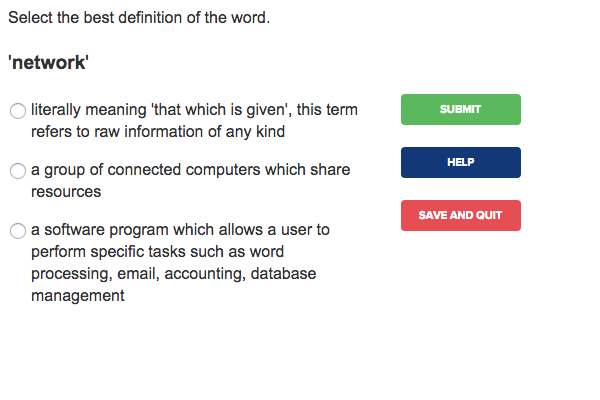
Multiple Choice Activity
Select the best match between unit terms and their definitions.
Free Demo
Listening Comprehension Activity
Listen to short audio clips in English and then spell them correctly.
Free Demo
Spelling and Recognition
Identify and spell a vocabulary term correctly given only the definition.
Free Demo
Vocabulary Builder Activity
Students will learn the following key terms and phrases:

Improve your reading comprehension and vocabulary in context with our interactive reader.
If you ask any newly qualified accountant what they find hardest, they will almost certainly answer depreciation and amortization. But why do people find these two concepts so hard to master?
Well, for one thing depending on where you are located the terms may mean the same thing, or may have decidedly different meanings.
Both depreciation and amortization are key aspects of accrual…
Free Demo
Reading Comprehension Quiz
Test your understanding of the reading material with a quick comprehension quiz.
Premium Practice
Premium
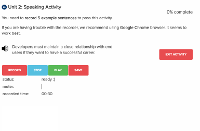
Speaking Practice Activity
Master your pronunciation by recording yourself and receiving feedback from native-speaking teachers.
US
UK
The company purchased a $16,000 forklift for use in its warehouse and believes it'll be able to resell the forklift for a salvage value of $1,000 at the end of 8 years.
US
UK
The car was purchased for $30,000, now only one year later the net-book value is $22,000, which shows a depreciation rate of $8,000 in year one.
US
UK
A lot of people are put off by the sum-of-years-digits method of depreciation, as it can seem complicated, but it does have some advantages.
... and more sentences to practice.
Premium
Writing Practice Activity
Improve your writing skills with guided essay questions and professional correction.
- Why do you think depreciation and amortization are so important in accounting?
- Are there any assets that you think should not be depreciated? Why?